Personal project
Wayline: a self-hosted platform around an open-source app
The application is Plane Community Edition, customized. The work here is everything around it: how it is built, released, secured, monitored and restored on my own server.
- Problem
- Plane is a real application: an API, workers, a scheduler, three frontends, a collaboration server, Postgres, Valkey, RabbitMQ and object storage. Running it the way a small team would takes much more than starting containers.
- My part
- I built the platform around Plane and its rebrand, chose the hosting, and run it: releases, secrets, networking, monitoring and backups. I own the server and its accounts, and its alerts come to my phone.
- Result
- Live on my own server since November 2026, with three of my other apps beside it. I am the only person using it, so nothing here is a claim about scale.
What this project adds around Plane
- Releases. Plane's images reach the server only with a signed record that those exact digests ran in my local dev environment. Other images pass CI checks. Argo CD syncs one release branch.
- Secrets. Infisical holds them, with a separate project and identity for each environment.
- Network. Traffic is denied by default, and a written test matrix checks allowed and denied paths from real pods.
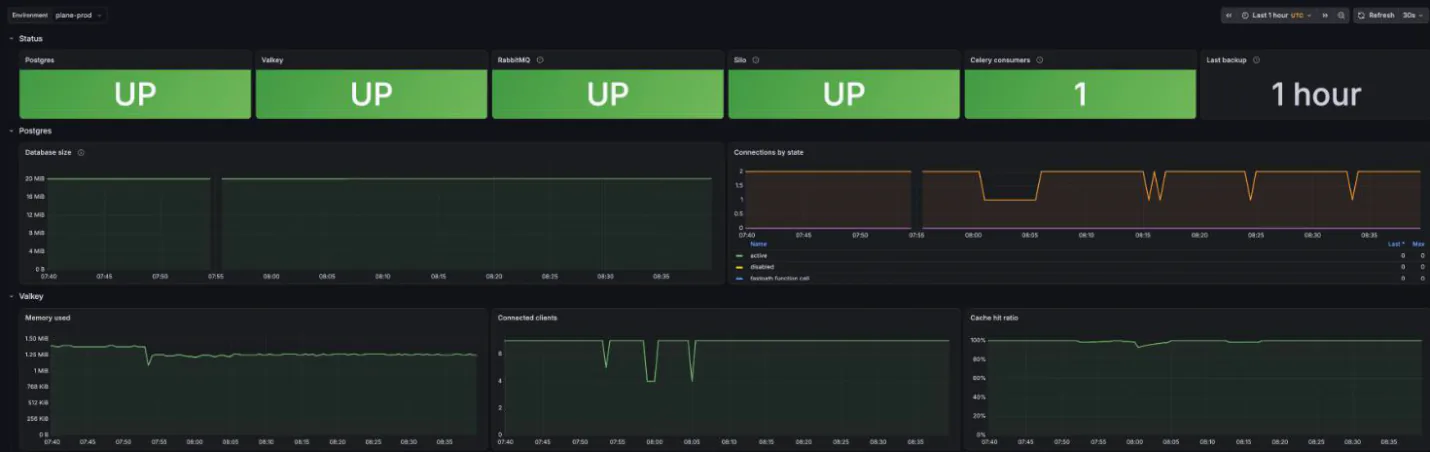
- Monitoring. Prometheus, Loki and Grafana, with alerts sent to my phone.
- Backups. Scheduled encrypted backups. Restore tests read a backup back into an isolated namespace.
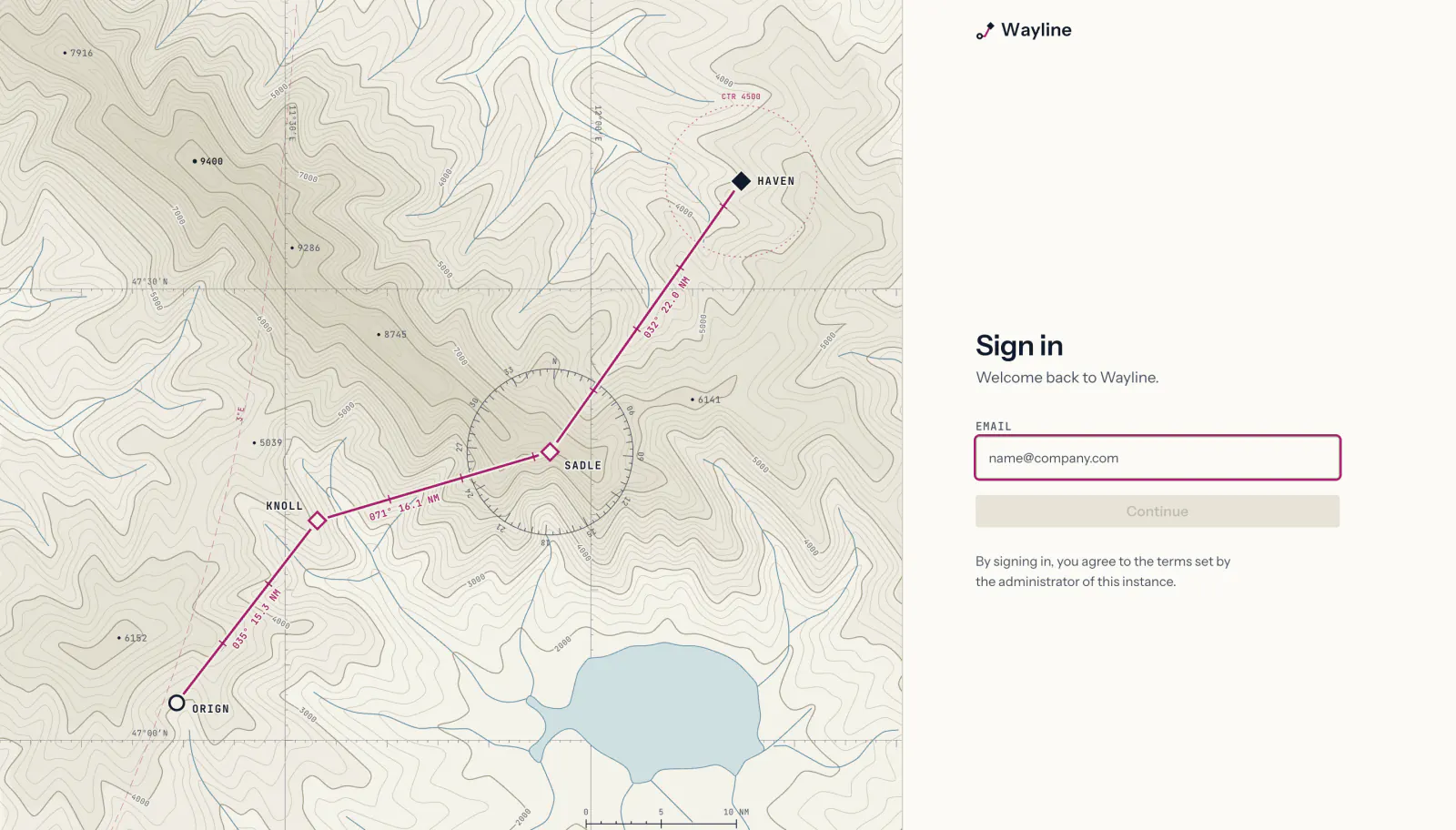
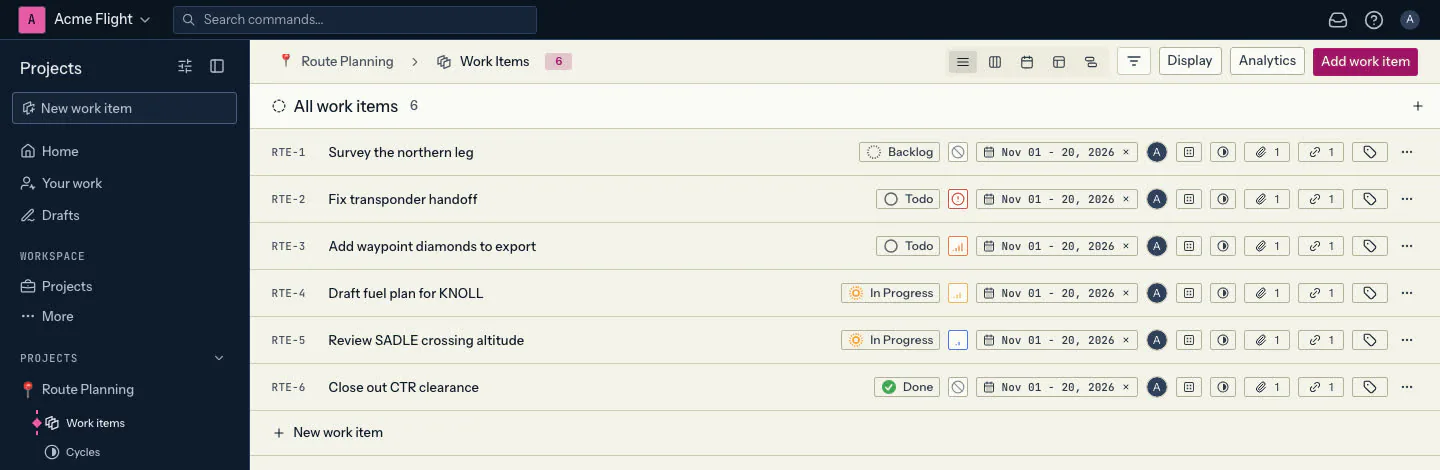
- The rebrand. A build pipeline applies an overlay, patches and a codemod to a pinned upstream commit, with Plane's license notices kept.
What was tested
A result counts only with a saved run, and rows that failed or were not run stay labeled that way.
- A full restore into a new local cluster, after deleting the old one, passed every step.
- Backups on the server restored into an isolated namespace.
- A network policy matrix passed on the server after earlier runs that were not clean.
- Secret rotation passed locally, including a run killed partway and finished later.
- A real alert and its clearance reached my phone.
Not run on the server: a load test, a rollback, secret rotation, or a restore over live data. A restart check has yet to complete.
Two things testing caught
Both turned up on the local environment. A browser found what 38 passing smoke checks could not: after a release, a returning browser kept showing the old page, because nginx sent no cache headers. And two critical alerts could not fire with their pod gone, because a rule on a service's up metric has no data once the endpoint disappears. A drill written to ask that question found it.
The rebrand
Plane's interface stays Plane's. Wayline restyles it through a build step that applies an overlay, patches and a text codemod to a pinned upstream commit.
Limits
One node and one replica of each service mean a restart is an outage. Off-site backup is a manual pull. The same platform also hosts Frameflow and two static sites.
What each technology did
- Argo CD and GitHub Actions
- Release Plane's images only after a signed record shows those exact digests ran in the local dev environment. Other images pass CI checks.
- Infisical
- Keeps secrets out of Git, with a separate project and identity for each environment.
- Kubernetes network policies
- Deny traffic by default. A written test matrix then checks allowed and denied paths from real pods.
- Prometheus, Loki and Grafana
- Collect metrics and logs, and send alerts to my phone.
- restic
- Takes encrypted backups on a schedule. Restore tests read a backup back into an isolated namespace.